
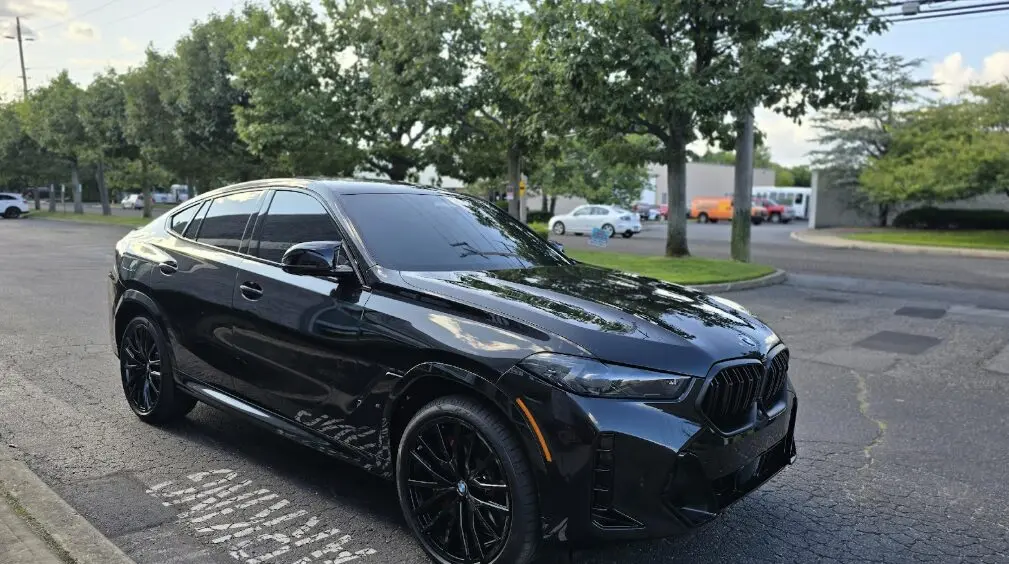
For Long Island drivers weighing ceramic vs carbon window tint, ceramic stands out for its exceptional heat rejection, top-tier UV protection, and advanced glare reduction—delivering maximum comfort and long-term durability, especially in the region’s intense sun and coastal conditions. It’s also designed to avoid interference with electronics like GPS and EZ-Pass. Carbon tint, meanwhile, provides reliable heat and UV protection, effective glare control, and a sleek look at a more affordable price, making it a practical choice for those focused on value. Ultimately, your decision comes down to your priorities: choose ceramic for premium comfort and lasting performance, or carbon for dependable protection and budget-friendly benefits.
Introduction
Long Island drivers know that “sunny” means more than just clear skies—it’s battling intense heat during traffic on the LIE, dealing with harsh glare off the water, and watching interiors fade faster thanks to salt air and sun exposure. Choosing between ceramic vs carbon window tint isn’t just about following trends; it’s about making a smart decision for your daily comfort, your car’s longevity, and your budget. In this article, you’ll discover the real differences between ceramic and carbon tints, how each performs in Long Island’s unique conditions, and which option delivers the best long-term value based on your driving habits and needs.
What Is Carbon Window Tint and How Does It Work?
Carbon window tint is made with micro-layers of carbon particles that block heat and UV rays without using metal. This technology helps keep your car cooler, reduces glare, and prevents interior fading—all while maintaining strong signal clarity for your GPS, cell phone, and EZ-Pass. Carbon tint delivers reliable performance and a sleek, matte finish at a budget-friendly price, making it a popular choice for Long Island drivers.
Benefits of Carbon Tint for Long Island Drivers
Carbon tint offers Long Island drivers excellent UV protection, effective glare reduction, and noticeable heat rejection—all at an affordable price. Its non-metal construction means no signal interference with your GPS or EZ-Pass, making it a practical upgrade for daily commutes and summer road trips. Plus, the sleek matte look adds style and privacy to your vehicle.
What Is Ceramic Tint and How Does It Work?
Ceramic tint uses advanced nano-ceramic particles to block out heat, UV rays, and infrared light without affecting visibility or electronic signals. Unlike traditional tints, ceramic film provides top-tier heat rejection and clarity, keeping your car cooler and more comfortable—even during Long Island’s hottest days. Its durable, non-metallic construction ensures long-lasting performance and superior protection for both you and your vehicle’s interior.
Benefits of Ceramic Window Tint for Long Island Drivers
Ceramic window tint offers Long Island drivers outstanding heat rejection, keeping your car cooler even during the hottest summer days. It blocks up to 99% of harmful UV rays, protecting both your skin and your vehicle’s interior from sun damage and fading. With superior glare reduction and crystal-clear visibility, ceramic tint enhances driving comfort without interfering with GPS, cell phone, or EZ-Pass signals. For those navigating Long Island’s bright, coastal conditions, ceramic window tint delivers maximum comfort, safety, and long-term value—making it the top choice for discerning drivers.
Ceramic Vs. Carbon Window Tint: Key Performance Categories
When deciding between ceramic vs carbon window tint for your vehicle on Long Island, it’s important to understand how each option performs in the areas that matter most: heat rejection, UV protection, glare reduction, durability, and cost. Here’s a clear breakdown to help you choose the best fit for your needs, driving habits, and budget:
Heat Rejection
- Ceramic: Generally higher infrared rejection, resulting in better cabin cooling — particularly noticeable in stop-and-go summer traffic.
- Carbon: Provides measurable heat reduction, though typically lower IR rejection compared to ceramic.
For vehicles parked outdoors daily — at train stations, beaches, or open driveways — this difference can become more noticeable over time.
UV Protection
Both carbon and ceramic films from reputable manufacturers typically block up to 99% of harmful UV rays, helping protect:
- Skin from prolonged exposure
- Dashboard materials
- Leather and fabric interiors
UV performance is comparable between the two; heat rejection is the more meaningful differentiator.
Glare Reduction
- Ceramic tint excels at reducing glare, improving visibility and comfort during sunrise, sunset, and bright daylight—common conditions on Long Island roads.
- Carbon tint reduces glare effectively, but may not match the clarity and comfort of ceramic.
Durability and Longevity
Longevity depends heavily on:
- Film manufacturer
- Installation quality
- Environmental exposure
That said, premium ceramic films often carry longer manufacturer warranties and may offer greater long-term color stability. Carbon films are also durable and significantly outperform basic dyed tints in fade resistance.
In coastal environments like Long Island, consistent sun exposure places more stress on lower-quality films — making product selection and installation experience critical.
Cost
- Carbon tint: Lower upfront investment, strong performance for everyday drivers.
- Ceramic tint: Higher upfront cost, typically justified by improved heat rejection and potential long-term comfort benefits.
The difference is not just branding — it reflects material cost and infrared-blocking capability.
So, What’s the Difference Between Carbon and Ceramic Tint?
People often ask, what’s the difference between carbon and ceramic tint when both can look similar from the curb. The difference is mostly about what is embedded in the film and how it manages solar energy.
Carbon tint uses carbon particles to absorb and reduce heat and visible light transmission. It generally looks deep and uniform, and it is known for better color stability than older dyed films.
Ceramic tint uses non-metallic ceramic nanoparticles designed to block more infrared heat while keeping good optical clarity. Many ceramic films are engineered to deliver high heat rejection without the signal interference historically associated with metallic films.
If you have been comparing carbon vs ceramic tint online, this is the practical translation: carbon is usually the value pick with solid performance, while ceramic tends to be the premium pick when heat relief is the priority.
Why Tint Choice Feels Different on Long Island Roads
Driving on Long Island stacks the odds toward glare and heat. You get long, low-angle sun in the morning and late afternoon that can turn parkways into a squint test. In summer, stop-and-go traffic makes cabin heat feel worse because you are not getting enough airflow to offset solar load through glass.
Parking habits matter, too. A car that sits outside at a train station lot, a beach lot, or a driveway with no shade will see more UV exposure than a garage-kept vehicle. That exposure shows up as faded trim, dried leather, and a steering wheel that feels hot to the touch.
Salt air adds another layer. It does not change the physics of tint, but it does raise the bar for installation quality and film stability. Long Island conditions reward films that hold their color and structure over time.
Legal Requirements (New York)
Any tint chosen for use in New York must comply with the state’s visible light transmission (VLT) limits (e.g., front side windows must allow at least 70% VLT). Whether you’re considering ceramic vs carbon window tint, it’s essential to ensure your choice meets these regulations to avoid fines and ensure safety. Check with your installer to confirm that the specific film meets these requirements before installation. Choosing a professional window tint service in Long Island will help you navigate these legal nuances and select the right film for both performance and compliance. For more details, refer to the New York DMV’s official guidelines on tinted windows.
FAQs
Does ceramic window tint really keep my car cooler than carbon tint?
Yes, ceramic tint offers superior heat rejection compared to carbon tint, making it especially effective during Long Island’s hot summers.
Will window tint affect my GPS, cell phone, or EZ-Pass signals?
Ceramic and carbon tints are both non-metallic, so they won’t interfere with electronic signals, unlike some older metallic tints.
How long does window tint last on Long Island vehicles?
Ceramic tint typically lasts longer than carbon, resisting fading, bubbling, and discoloration for many years—even with heavy sun exposure.
Is ceramic window tint worth the higher cost?
For drivers seeking maximum comfort, UV protection, and durability, ceramic tint’s long-term benefits often justify the higher upfront investment.
Are both carbon and ceramic tints legal in New York?
Yes, both types are legal as long as they meet New York’s window tint regulations regarding visible light transmission (VLT). Always check with your installer to ensure compliance.
What to Consider When Choosing Between Carbon and Ceramic Tint
When choosing between carbon vs ceramic tint for your Long Island vehicle, focus on your driving habits, sun exposure, and budget:
- Highway commuters: Carbon tint offers strong glare control and a sleek look at a lower price.
- Frequent stop-and-go traffic or outdoor parking: Ceramic tint keeps your cabin cooler and blocks more heat—ideal for Long Island summers.
- Sensitive to heat or want top UV protection: Ceramic is the premium choice for comfort and safety.
- Budget-conscious but want quality: Carbon tint from a trusted brand is a reliable, cost-effective option.
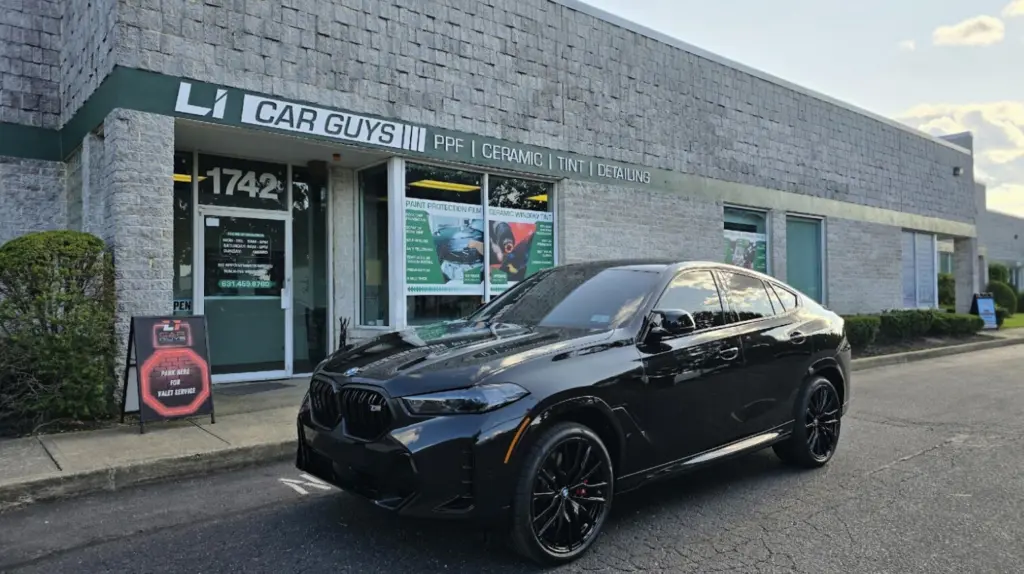
For the best results, consult with an experienced installer like Li Car Guys to review samples, compare options, and get expert advice tailored to your needs—without sales pressure.
How to Get Started
Enhance your vehicle’s comfort, style, and value with professional window tint services in Long Island. Quality window tint not only elevates your car’s aesthetics and appearance but also protects against heat, UV rays, and glare—key benefits for local drivers facing intense sun and changing weather. Whether you choose ceramic or carbon film, expert installation ensures long-lasting performance and compliance with New York regulations. Investing in window tint services helps preserve your interior, improves driving comfort, and delivers lasting value for your vehicle.
Visit at:
Li Car Guys
1742 Church St, Holbrook, NY 11741
Check works at:
limobilecarguy.com
Call at:
(631) 459-6760
Social Profile:
Facebook
Instagram
YouTube
Booking experienced window tint services in Long Island ensures your vehicle not only looks its best but also benefits from a flawless, long-lasting finish that stands up to local driving conditions.
Easy Ways to Get Started
- Book Now: Choose a convenient appointment time to reserve your window tint service.
- Call Now: Call to discuss options, availability, or any questions about the process.