
When comparing ceramic window tint vs. regular tint, the main differences come down to performance and longevity. Regular tint is the most affordable, offering privacy and glare reduction but fading over time and providing minimal heat protection. Ceramic window tint, on the other hand, is a worthy investment as it blocks more infrared heat, keeps its color for years, and doesn’t interfere with GPS or E-ZPass signals. For Long Island drivers who often face beach trips, heavy LIE traffic, and long hours with cars parked outside in driveways or train lots during the summer, the superior heat rejection and durability of ceramic tint can greatly enhance comfort and help keep a car looking new for years. However, regular tint may still be a practical choice for those on a tight budget who mainly seek privacy and glare reduction and plan to trade in their vehicle within a few years. No matter which you choose, it’s important to work with professionals who provide quality window tint services in Long Island, ensuring your tint meets New York’s visible light transmission regulations.
Why Window Tint Type Matters on Long Island
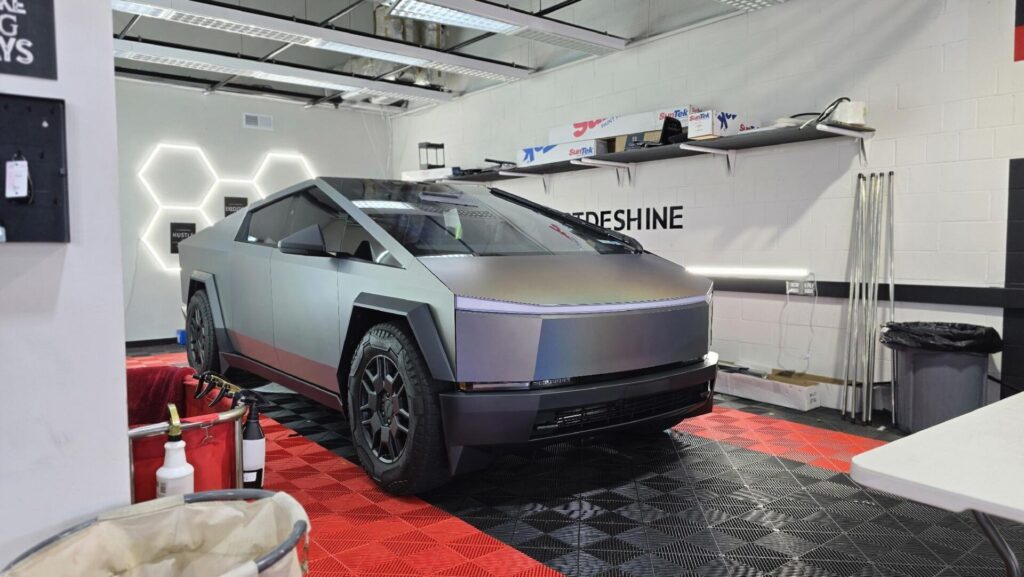
Long Island doesn’t get Phoenix-level heat, but it has its own version of brutal: long, humid summers, a sun that sits low and blinding along the LIE and Sunrise Highway at rush hour, and many cars that spend their days parked outside in driveways, train station lots, or beach lots with zero shade for eight hours at a time.
July is the hottest month, with average highs around 82–83°F and overnight lows that barely dip into the 60s, which means the cabin of a parked car never really gets a break to cool down. According to the New York State Department of Health’s Heat and Health Profile Report for Suffolk County, summer daily maximum temperatures have increased over time, with recorded summer highs reaching 99.2°F in 2016 compared with 93.7°F in 1979. That trend matters for window tint because as outside temperatures rise, the difference becomes more noticeable between a basic film that mainly darkens the glass and a higher-performance ceramic film designed to reject infrared heat.
This is exactly where the “ceramic window tint vs. regular tint” question stops being a style preference and starts being a comfort and protection decision.
What Regular Window Tint Actually Is
Regular window tint is a traditional and widely used option, typically made from dyed or metalized films. These tints are designed to provide basic UV protection and enhance privacy for your vehicle. Dyed films absorb sunlight to reduce glare and darken your windows, while metalized films use tiny metallic particles to reflect sunlight, offering additional heat and glare reduction.
Regular window tint is more affordable than ceramic options and comes in a range of shades, allowing you to customize the look and level of privacy to suit your preferences. While these films do help with glare and offer some heat reduction, they are less effective at blocking infrared heat compared to advanced ceramic tints. Over time, regular tints may also fade or discolor due to continuous UV exposure, which can affect their appearance and performance.
What Ceramic Window Tint Actually Is
Ceramic tint replaces traditional materials with microscopic, non-metallic ceramic particles embedded throughout the film. These particles are engineered to interact specifically with infrared energy, which is the part of sunlight responsible for most of the heat you feel, while letting visible light pass through largely undisturbed.
That’s the key mechanical difference behind every benefit ceramic offers: it manages heat by selectively rejecting infrared, not by simply darkening the window. A quality ceramic film at a lighter, more legal shade can outperform a much darker regular tint for actual cabin cooling.
1. Heat Rejection
When comparing ceramic window tint vs. regular tint, the main difference is heat protection. Many drivers wonder, “is ceramic tint better than regular tint?” because they want a cooler, more comfortable car.
Regular Tint:
- Made from dyed or metalized films that absorb or reflect some solar energy.
- Offers basic heat reduction, but still allows much of the infrared heat to enter the cabin.
- Primarily darkens windows for privacy and glare reduction, with limited cooling effect.
Ceramic Window Tint:
- Uses ceramic particles to block 50–80% of infrared heat, which is about twice as much as regular tint.
- Keeps interiors 15–25°F cooler, even with lighter, legal films.
Key Takeaway: Ceramic window tint vs. regular tint isn’t just about darkness; it’s about real heat protection. For Long Island drivers, ceramic tint delivers superior comfort and keeps your car cooler, even without going darker.
2. UV Protection
When it comes to UV protection, the difference between ceramic window tint vs. regular tint is smaller than most people expect, but the risk from UV exposure is greater than many realize.
Regular Tint:
- Both dyed and metalized regular tints are designed to block most UVB rays and offer basic UVA protection.
- Typically blocks around 96% of UV energy, which is a significant improvement over bare glass.
- Helps reduce the risk of sun damage to skin and interior surfaces.
Ceramic Window Tint:
- Premium ceramic films block up to 99% of UV energy, offering slightly better protection than regular tints.
- Both types help close the UV protection gap left by standard car windows.
- While ceramic has a slight edge, UV protection alone usually isn’t the deciding factor. Heat rejection and durability matter more for most drivers.
Key Takeaway: Both ceramic and regular tints greatly improve UV protection compared to untinted windows. However, the main advantage of ceramic window tint vs. regular tint comes from its superior heat rejection and long-term durability, not just UV blocking.
3. Glare Reduction
Both ceramic window tint and regular tint help reduce glare, making driving more comfortable during times when the sun is low on the horizon, such as along Sunrise Highway and Ocean Parkway.
Regular Tint:
- Reduces glare by darkening the glass, whether through dyed or metalized layers.
- Improves visibility during bright, low sun conditions.
- May slightly distort colors or make the view appear less natural, depending on the film type.
Ceramic Window Tint:
- Reduces glare by filtering light with advanced ceramic particles rather than pigment or metal.
- Provides a more neutral, true-color view, often described by drivers as “clearer” even at similar shade levels.
- Maintains excellent visibility and comfort without color distortion.
Key Takeaway: Both ceramic and regular tints effectively cut glare, but ceramic window tint offers a clearer, more natural view, enhancing comfort and visibility for Long Island drivers.
4. Privacy
Privacy is mainly determined by how dark the tint is, not the type of film.
Regular Tint:
- A 20% VLT regular tint (dyed or metalized) offers the same privacy as a 20% ceramic film.
- Best choice for privacy on a budget.
Ceramic Window Tint:
- Matches regular tint for privacy at the same VLT.
- Adds extra benefits like heat and UV protection.
Key Takeaway: Both tints provide equal privacy at the same darkness level, so regular tint is a cost-effective option if privacy is your top priority.
5. Durability and Fading
Durability is a key factor when comparing ceramic window tint vs. regular tint, especially for cars exposed to Long Island’s sun.
Regular Tint:
- Dyed films may fade or discolor over time, while metalized films can lose effectiveness or develop a reflective, patchy look.
- Both types are more prone to aging and visible wear after a few years, especially with constant sun exposure.
- Typically lasts 3–5 years before visible fading, discoloration, or performance loss appears.
Ceramic Window Tint:
- Resists oxidation, fading, and discoloration even with heavy sun exposure.
- Maintains its appearance and performance for 10–15 years with proper care.
- Often lasts as long as the car itself for most drivers.
Key Takeaway: Ceramic window tint offers much greater durability and long-term value, while regular tint may need replacement after just a few years due to fading and discoloration.
6. Cost
Cost is an important consideration when deciding between the installation of ceramic window tint vs. regular tint.
Regular Tint:
- Lowest upfront cost, making it the most budget-friendly option.
- Needs replacement more often due to fading and discoloration, increasing long-term costs.
Ceramic Window Tint:
- Higher upfront price, typically 40–60% more than carbon tints and even more compared to regular films.
- Lasts much longer, so the cost-per-year is often lower over the life of the car.
Key Takeaway: While ceramic window tint costs more initially, its durability means you may save money in the long run compared to replacing regular tint every few years.
Side-by-Side Summary of Ceramic Window Tint vs Regular
| Category | Regular Tint | Ceramic Window Tint |
| Heat Rejection | Absorbs or reflects some heat, limited infrared protection | Blocks much more infrared heat, keeps car cooler |
| UV Protection | Blocks about 96% of UV rays | Blocks up to 99% of UV rays |
| Glare Reduction | Reduces glare, may slightly distort colors | Reduces glare with clearer, more natural visibility |
| Privacy | Same privacy as ceramic at the same VLT | Same privacy as regular at the same VLT |
| Signal Interference | No interference (except some metalized films may affect signals) | No interference |
| Durability/Lifespan | Lasts 3–5 years before fading or discoloration | Lasts 10–15 years, resists fading and discoloration |
| Upfront Cost | Lowest initial cost | Highest initial cost |
| Best For | Budget-conscious, short-term owners | Long-term value, comfort, and protection seekers |
So, Is Ceramic Tint Better Than Regular Tint?
For most Long Island drivers, yes. However, “better” depends on what you are optimizing for.
If you mainly want a darker look and some privacy for a car you plan to sell or trade in within a couple of years, regular tint will do the job at a lower price, and there’s nothing wrong with that choice.
But if any of the following sound like your situation, the math tips firmly toward ceramic:
- You commute daily and sit in stop-and-go traffic where airflow isn’t cooling the cabin.
- Your car spends summer days parked outside, whether at a train station, a beach lot, or a driveway with no shade.
- You’re protecting leather, vinyl, or a newer interior you don’t want fading or cracking.
- You plan to keep the vehicle for five-plus years.
- You want a tint that still looks new, not purple or hazy, well into its life.
In those cases, the ceramic vs regular comparison isn’t really close. The extra upfront cost is functioning more like a long-term protection plan for your interior than a cosmetic upgrade.
Why Installation Quality Matters Just as Much as Film Choice
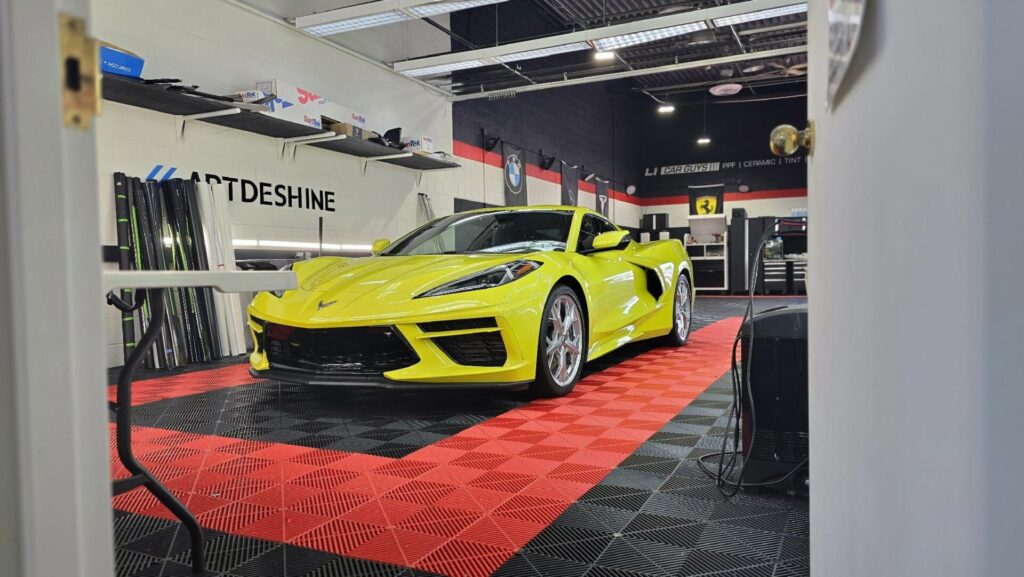
Even the best ceramic film on the market won’t perform well if it’s installed poorly. Bubbles, lifted edges, and uneven trim cutting aren’t just cosmetic issues. They create weak points where dirt, moisture, and UV exposure can shorten the film’s life regardless of how good the underlying technology is.
This is the gap LI Car Guys is built to close. Working out of the Holbrook shop, the team uses premium film technology engineered for strong heat rejection, high UV protection, fade resistance, and a clean, bubble-free finish that holds up over time. These are the same qualities that separate a tint job that looks great for ten years from one that needs to be redone in three. Whether you’re comparing ceramic vs regular tint for a daily commuter or a weekend beach car, getting matched with the right film for your goals and budget, without sales pressure, is most of the battle.
New York Tint Laws Still Apply, Regardless of Film Type
Whichever film you choose, New York’s tint regulations do not treat ceramic and regular tint differently. Both have to meet the same visible light transmission (VLT) rules. Front side windows must allow at least 70% VLT, and a qualified installer will confirm your specific film and shade combination is compliant before it ever touches your glass. For the state’s official guidance, you can review the New York DMV’s tinted window regulations directly.
Frequently Asked Questions
Does ceramic tint really keep a car cooler than regular tint?
- Yes. Because ceramic particles are engineered to target infrared energy specifically, ceramic film rejects substantially more heat than regular tint at an equivalent or even lighter shade. The difference is most noticeable in stop-and-go traffic and on cars parked outside all day, both common scenarios for Long Island drivers.
Will regular tint protect my interior from sun damage at all?
- To some extent, yes. Regular tint, whether dyed or metalized, blocks a meaningful amount of UV light, which helps slow fading of your interior. However, because regular tint does less to stop infrared heat, the cabin can still heat up significantly. This heat contributes to dashboard cracking, leather drying out, and trim warping over time—issues that are separate from UV-driven fading.
Is ceramic tint worth the higher upfront cost?
- For drivers who commute daily, park outside, or plan to keep their vehicle for several years, most installers and film manufacturers agree the extended lifespan and superior heat rejection justify the price difference. If you’re trading the car in soon and mainly want privacy, regular tint may be the more practical choice.
Can I get a lighter, more legal shade and still get strong heat rejection?
- Yes, and this is one of ceramic’s biggest advantages. A 70% VLT ceramic film can outperform a much darker regular tint for heat rejection, which means you don’t have to choose between staying within New York’s legal tint limits and actually feeling cooler in the car.
Does either film interfere with GPS, phone, or E-ZPass signals?
- No. Both regular and ceramic films are non-metallic or use advanced technology that does not interfere with electronic signals. Signal interference is mainly an issue with older metallic or metalized films, which are less common today.
How to Get Started
Regular tint isn’t a bad product. It is a budget product, and it does what it is designed to do: darken glass and cut glare at a low price. Ceramic tint is a different category entirely, built around managing heat rather than just blocking light, and it shows in how the two films age, perform, and protect a vehicle’s interior over the years that follow.
For Long Island’s mix of hot, humid summers, heavy outdoor parking, and daily highway glare, the ceramic window tint vs. regular tint decision usually comes down to how long you plan to own the car, how much you value not redoing the job in three years, and your interest in professional window tinting services. If you’re ready to compare film options in person, the team at LI Car Guys can walk you through real samples and help you choose the right fit for your vehicle and budget.
Visit at:
Li Car Guys
1742 Church St, Holbrook, NY 11741
Check works at:
Call at:
(631) 459-6760
Social Profile:
Choosing experienced window tint professionals in Long Island ensures your vehicle gets a high-quality, durable tint that enhances both appearance and protection. This level of expertise is especially important for meeting the unique demands of local roads and weather.
Easy Ways to Get Started
- Book Now: Choose a time that works best for you to schedule your window tinting appointment.
- Call Now: Call to discuss your options, check availability, or get answers to any questions you have about window tinting.