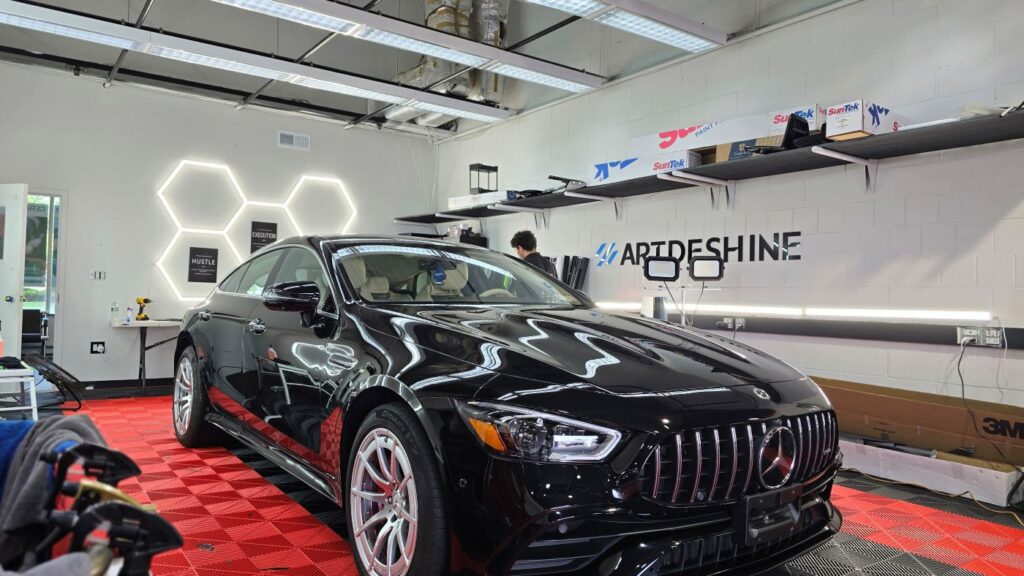
When it comes to paint protection, paint protection film (PPF), or clear bra, is the top choice for shielding your vehicle from rock chips and road debris. It’s highly durable and helps preserve your car’s exterior against harsh conditions. In contrast, ceramic coating keeps your car glossier and easier to clean, protecting against grime and chemicals. For those weighing clear bra vs ceramic coating, many Long Island drivers use PPF on high-impact areas like the hood and bumper, and ceramic coating on the rest for added gloss and easy maintenance. For the best results, combine both: use PPF where impacts are likely, then apply ceramic coating over the film and paint for a uniform shine and simple upkeep.
Introduction
Choosing the right paint protection for your vehicle can feel overwhelming, but understanding the real differences between clear bra (paint protection film) and ceramic coating makes the decision much easier. In this guide, you’ll discover how each option works, the specific types of protection they offer, and why so many Long Island drivers use them together for maximum results. We’ll break down the pros and cons of clear bra vs ceramic coating in plain language—covering impact resistance, gloss, maintenance, longevity, and cost—so you can confidently decide what’s best for your car. Whether you want to defend against rock chips and scratches, keep your paint looking glossy and easy to clean, or combine both solutions for the ultimate protection, you’ll find practical advice and clear answers here.
What is Clear Bra?
Paint protection film (PPF), often called a clear bra, is a thin, transparent urethane film applied to your vehicle’s paint much like a screen protector on a phone—only thicker and engineered to withstand the harsh conditions of the road. Modern PPF is often described as “self-healing,” meaning light swirls and scratches can disappear when the film is warmed by sunlight or warm water. This self-healing property is a genuine feature of the film’s top layer, not just a marketing claim.
What is Ceramic Coating?
Ceramic coatings are a liquid polymer applied by hand that cures into a hard, glossy layer over your vehicle’s paint. While it doesn’t offer protection against rock chips like a film does, ceramic coating makes your paint more resistant to staining and much easier to clean, as dirt and grime have a harder time sticking to the surface. It also enhances the paint’s gloss and provides hydrophobic properties, causing water to bead and sheet off for easier maintenance and a consistently vibrant appearance.
Clear Bra vs Ceramic Coating: Comparing Protection, Longevity, Maintenance, and Cost
When deciding between clear bra vs ceramic coating, it’s important to understand how each option performs in key areas like protection level, longevity, maintenance, and cost. The following sections break down these differences to help you choose the best solution for your vehicle’s needs.
Protection level: chips and scuffs vs staining and oxidation
Think of protection in two buckets: “impact” and “environment.”
Impact protection (where PPF wins):
If your hood, bumper, mirror caps, and fenders are frequently exposed to sand and pebble strikes, paint protection film is specifically designed to handle that kind of impact. This durable film helps shield painted surfaces from stone chips, scratches, bug acids, and the effects of weathering, keeping your vehicle’s exterior looking its best.
Ceramic coating can reduce micro-marring from washing when proper technique is used, but it is not a physical shield in the same way. If you run a lot of highway miles or follow trucks on the LIE, PPF is the option that actually absorbs and disperses impact energy.
Environmental protection (where ceramic shines): Coatings excel at resisting grime, road film, and many chemical stains, and they often make bugs and bird droppings easier to remove if you address them promptly.
On Long Island, winter brings another paint stressor: road salt and brine. New York State DOT describes salt use as a core part of winter operations, which is why undercarriage and paint contamination become a seasonal routine: https://www.ny.gov/safe-winter-driving/safe-winter-driving
PPF also helps here because it is a barrier, but ceramic coating tends to win on day-to-day cleanability across the whole vehicle.
Longevity: what lasts longer, and what “wearing out” looks like
Both products can last years, but they age differently.
PPF longevity depends on film quality, panel coverage, sun exposure, and wash habits. Over time, lower-quality film can yellow or haze, while higher-end modern films are designed to resist discoloration and staining. When PPF takes enough abuse, you replace the film, not repaint the panel, which is the whole point.
Ceramic coatings slowly lose performance rather than “peeling off” in dramatic fashion. You might notice water stops beading as strongly and the paint starts to hold onto grime again. Some coatings are marketed with multi-year durability, but real-world results track closely with maintenance and how the car is washed and decontaminated.
A practical way to think about it is this: PPF is sacrificial against impacts, ceramic is sacrificial against chemistry and dirt bonding.
Maintenance: what ownership feels like week to week
Neither option is “set it and forget it,” but both make ownership nicer when installed and cared for properly.
With ceramic coating, washing gets easier and drying can be faster because water releases more readily. That said, coatings do not eliminate the need for safe wash technique. A dirty wash mitt can still cause swirls.
With PPF, your main maintenance job is keeping it clean and avoiding aggressive polishing that can thin the film’s top layer. Good film can be coated, too, which helps the film stay glossier and easier to clean.
After you’ve read a few forums, it helps to separate myths from reality:
- Coating = chip-proof: It resists staining and light marring, but it does not stop rock strikes like film can.
- PPF = maintenance-free: Film still needs careful washing and periodic decontamination so it stays clear.
- Any shop can do either well: Both are detail-oriented installs, and installer skill matters as much as product choice.
Cost: how pricing usually works (and what drives it)
When people search clear bra vs ceramic coating, cost is often the tie-breaker, and it helps to know what you are actually paying for.
PPF is typically priced by coverage area and film type. Wrapping complex bumpers, tucking edges, and aligning seams takes time, and film itself is a substantial material cost. Ceramic coating is typically priced by paint correction needs (how much polishing is required first), the coating system used, and the size of the vehicle.
If you are comparing clear bra and ceramic coating cost, the simplest rule is: coating usually costs less than full-vehicle PPF, while targeted PPF can be competitive with higher-end coating packages.
Clear Bra vs Ceramic Coating: Side-by-Side Comparison
Here is a non-technical comparison table you can use as a starting point:
| Category | Clear bra (PPF) | Ceramic coating |
| Best at | Rock chips, sand blast, scuffs | Gloss, easier washing, chemical resistance |
| Typical placement | Bumper, hood, fenders, mirrors, rocker panels | Whole exterior, paint and sometimes wheels |
| Look | Nearly invisible when installed well | Noticeably slicker, glossier finish |
| Maintenance feel | Wash normally, avoid aggressive abrasion | Wash is easier, still needs good technique |
| Aging | Film eventually replaces after wear | Performance fades gradually over time |
| Budget strategy | Target high-impact areas | Coat the full vehicle for overall protection |
Why Many Long Island Drivers Combine Clear Bra and Ceramic Coating
Long Island driving creates a very specific pattern of paint wear: highway debris up front, tight parking situations, seasonal salt grime, and lots of sun in warmer months.
That combination explains why many local owners choose PPF for high-impact zones, then choose ceramic coating for the rest of the paint. PPF takes the hits where damage is most visible and expensive to correct. Ceramic coating keeps the entire vehicle easier to wash, which matters when winter road film builds up and spring pollen arrives.
When Combining Clear Bra and Ceramic Coating Makes Sense (and What “Best of Both” Really Means)
Pairing the two works because they are complementary, not redundant. You are not “double paying,” you are assigning each product to the job it does best.
A common plan is:
- PPF on the front bumper, partial or full hood, front fenders, mirror caps, and sometimes rocker panels.
- Ceramic coating on the remaining painted surfaces.
- Optional: ceramic coating on top of the PPF to make the film easier to clean and keep gloss consistent across film and paint.
This is the most straightforward way to get real impact resistance where it matters, while still getting that coated “freshly detailed” look across the whole vehicle.
This also answers the question behind which is better clear bra or ceramic coating as a combo: you are using film as a physical barrier, and coating as a surface performance upgrade.
Ideal Use Cases: Clear Bra vs Ceramic Coating Quick Decision Map
If you want a fast way to decide, match your car and driving style to the scenario.
| Your situation | What tends to make sense |
| New car, lots of highway time | PPF on front end, consider coating the rest |
| Lease, want it easy to keep clean | Ceramic coating, spot PPF only if front end is vulnerable |
| Dark paint that shows swirls easily | Ceramic coating for wash ease, add PPF where chips happen |
| Weekend car, lower miles, stored indoors | Ceramic coating, or selective PPF on the bumper |
| You keep vehicles long-term | PPF in impact zones plus coating for easier maintenance |
Frequently Asked Questions: Clear Bra vs. Ceramic Coating
- Does clear bra or ceramic coating provide better protection against rock chips? Clear bras (paint protection film) are specifically designed to absorb and disperse the energy from rock chips and road debris, making them the superior choice for impact protection. Ceramic coating does not offer the same physical barrier and will not prevent chips from stones or gravel.
- Can I apply both clear bra and ceramic coating to my car? Yes, many car owners choose to combine both for maximum protection. Typically, clear bra is applied to high-impact areas, and ceramic coating is layered over both the film and the rest of the paint to enhance gloss and make cleaning easier.
- How long do clear bra and ceramic coating last? High-quality clear bra can last 5–10 years, depending on exposure and maintenance. Ceramic coatings generally last 2–5 years, though some professional-grade products may last longer with proper care.
- Is ceramic coating worth it if I already have a clear bra? Absolutely. Ceramic coating can be applied over clear bra to provide additional benefits like enhanced gloss, hydrophobic properties, and easier cleaning, helping both the film and exposed paint stay looking their best.
- How much does clear bra and ceramic coating cost? Clear bra and ceramic coating cost varies based on coverage area, vehicle size, and product quality. Generally, a full-vehicle clear bra is more expensive than ceramic coating, but targeted PPF (like just the front end) can be comparable to high-end ceramic packages.
- Will either option eliminate the need for regular washing and maintenance? No, both clear bra and ceramic coating reduce the effort needed to keep your car clean, but regular washing and proper care are still essential to maintain their appearance and performance.
- Does ceramic coating make my car scratch-proof? No, ceramic coating helps resist minor scratches and swirl marks from washing, but it does not make your car scratch-proof. For true impact and scratch protection, clear bra is the better option.
- Can clear bra or ceramic coating be removed if needed? Yes, both can be professionally removed. Clear bra is peeled off by a trained installer, and ceramic coating can be removed through polishing or abrasion if necessary.
A Simple Way to Choose Without Overthinking It
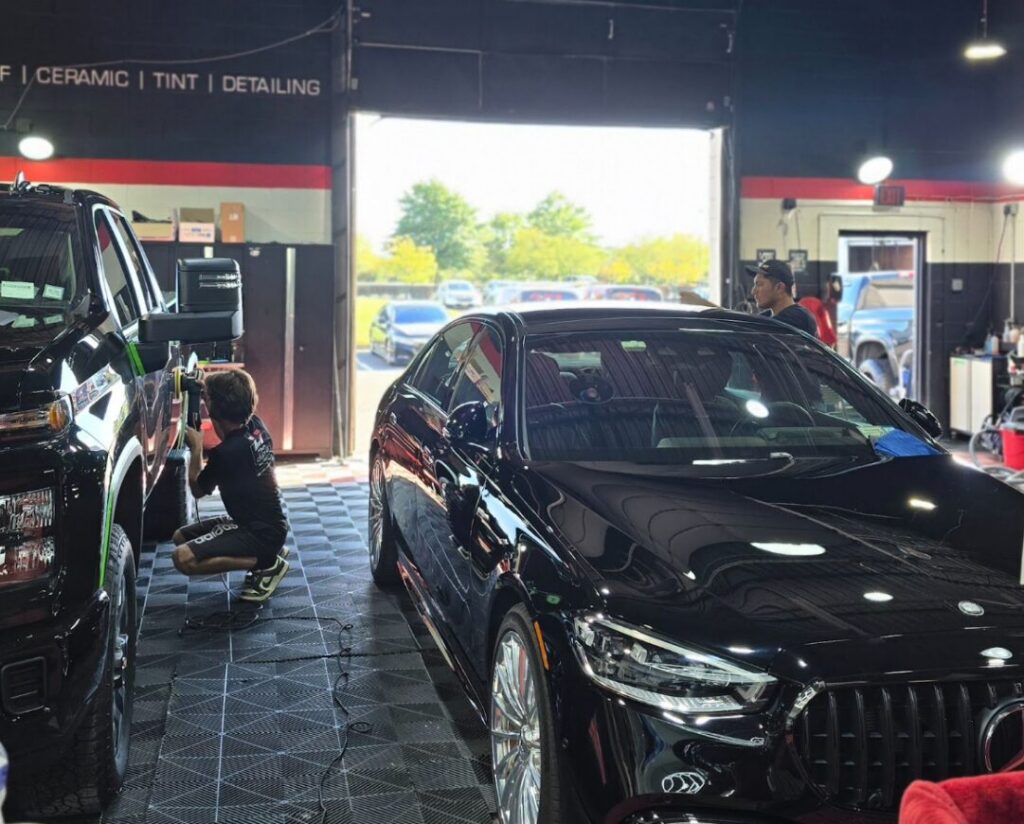
If your main worry is chips on the front end, pick PPF for those panels. If your main goal is gloss and easier cleaning, pick ceramic coating. If you want both realities, real chip resistance up front and easier maintenance everywhere, combine them.
That is the practical answer to clear bra vs ceramic coating: decide whether your priority is impact protection, appearance and wash ease, or a plan that assigns each product to what it does best.
How to Get Started
Protect your vehicle’s finish and maintain its value with professional car paint protection film (PPF) installation. For those seeking PPF services near you in Long Island, this solution offers a nearly invisible barrier that shields your paint from rock chips, scratches, swirl marks, and harsh environmental elements. By choosing PPF, you help preserve your car’s original gloss and color depth for years to come.
Once applied, PPF delivers durable, long-lasting defense that keeps your vehicle looking showroom-new. With routine care, PPF significantly reduces the risk of future paint damage, making it the preferred choice for Long Island drivers who want the highest level of impact protection.
Visit at:
Li Car Guys
****1742 Church St, Holbrook, NY 11741
Check works at:
Call at:
(631) 459-6760
Social Profile:
Facebook
Instagram
YouTube
Choosing an experienced PPF installer ensures your vehicle’s paint remains flawless and protected, maintaining a high-gloss, like-new finish for the long term.
Easy Ways to Get Started
- Book Now: Select a convenient appointment for your service to secure your spot.
- Call Now: Call to discuss options, availability, or any questions about the process.