
Why Aftercare Matters Even With Self-Healing Film
SunTek Ultra’s self-healing top layer is designed to address minor surface scratches and swirls that occur after installation, typically responding to gentle heat exposure — sometimes from direct sunlight, sometimes from warm water — that allows the film to return to a smoother state over time. This is a genuinely useful property, but it doesn’t mean the film is immune to all forms of damage or that washing technique stops mattering once film is installed on the vehicle. Self-healing addresses light surface marring specifically — it doesn’t address contamination buildup, edge lifting from improper care, or the effects of leaving corrosive substances sitting on the surface for extended periods without attention.
It’s worth being clear about this distinction upfront, since “self-healing” is sometimes marketed in a way that implies the film requires little to no maintenance at all. In practice, self-healing is a genuinely valuable property for a specific category of minor damage — light swirling and fine scratches — while everything else covered in this guide still requires the same attentive care that any painted or protected surface benefits from.
Safe Washing Technique
Hand washing with clean, soft microfiber materials and a proper two-bucket method remains the safest approach for a PPF-covered vehicle, the same as it would be for bare paint underneath. Using a clean wash mitt, rinsing it frequently in a separate rinse bucket rather than going straight back into soapy water, and avoiding dragging grit across the surface all reduce the risk of introducing new surface marring during a routine wash. The self-healing property helps with existing light marks that do occur, but it’s not a substitute for careful technique that avoids introducing them in the first place through careless washing habits.
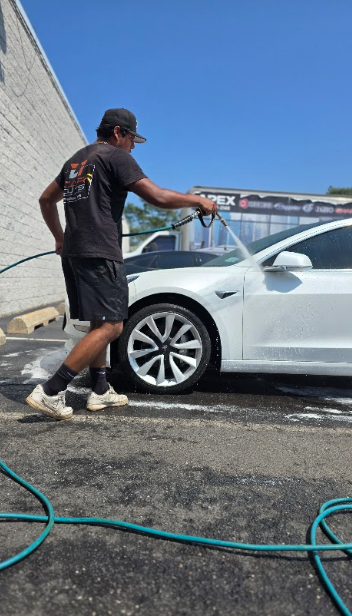
Working carefully in sections, from top to bottom, and rinsing thoroughly before applying any soap also helps remove loose contamination before it has any real chance to grind against the surface during the actual washing motion itself. This is standard, well-established good practice for any vehicle, film-covered or not, but it’s genuinely worth reinforcing specifically for PPF owners who may reasonably assume the film’s protective properties make washing technique somewhat less important than it actually remains throughout ownership.
Drying Matters As Much As Washing
Proper drying with clean, soft microfiber towels or a dedicated drying method reduces water spotting and avoids dragging any remaining grit across the film’s surface during the drying process itself. Air-drying without any wiping can leave mineral deposits from tap water sitting on the surface, which is a genuinely common source of water spotting regardless of whether a vehicle is covered in film or has bare paint underneath. A dedicated drying towel, used with light, even pressure and changed or rinsed frequently throughout the process, tends to produce a genuinely cleaner result than a single towel dragged repeatedly across a large surface area without ever being rinsed out.
Automatic Car Washes: A Real Consideration
Automatic car washes vary considerably in equipment quality — some use soft cloth systems that are relatively gentle, while others use brush systems that can introduce real marring risk, particularly around film edges where a stiff brush can catch and potentially lift an edge over repeated washes. Touchless automatic washes avoid physical contact entirely but may rely on stronger chemical cleaning agents to compensate for the lack of physical scrubbing, which introduces a different consideration around chemical compatibility with the film’s surface and adhesive. Hand washing remains the most consistently safe option regardless of which type of automatic wash might otherwise be conveniently available nearby, particularly during the first several weeks after installation while the adhesive bond is still fully curing.
Bug, Tar, and Bird Dropping Contamination
Bug residue, tar, and bird droppings are all genuinely acidic or otherwise chemically aggressive substances that can affect a film’s surface if left to sit for extended periods without attention. Addressing this contamination promptly — rather than waiting for a routine wash days later — reduces the risk of etching or staining, the same way it would on bare paint underneath. This is one of the more time-sensitive aspects of PPF ownership, since the film’s physical protection against impacts doesn’t extend to protection against chemical contamination sitting on the surface for days at a time, especially during warmer months when heat can accelerate how quickly these substances become more difficult to remove cleanly.
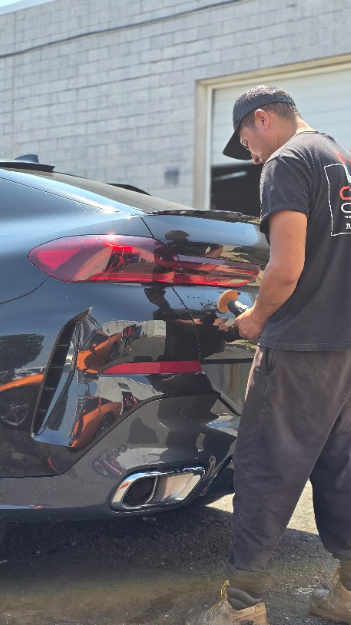
A dedicated bug-and-tar remover product, used carefully according to its specific instructions, tends to work noticeably better than aggressive scrubbing with a standard wash mitt, which risks introducing surface marring while trying to remove stubborn residue that’s already had time to bond to the surface. Keeping a small bottle of an appropriate remover on hand for prompt spot-treatment, rather than waiting for a full wash, is a practical habit worth building into routine vehicle care.
Winter Contamination and Road Salt
Long Island winters bring real road salt exposure, particularly for vehicles doing regular highway driving during winter months when road treatment is common across the region. Salt residue left on a film-covered vehicle for extended periods is worth addressing through regular washing during the winter season rather than waiting until spring cleanup, since accumulated salt exposure over an entire winter represents meaningfully more chemical contact than a single exposure addressed promptly after each significant snow or ice event. This is a genuinely practical consideration for Long Island PPF owners specifically, given how common road salt treatment is across Suffolk County during winter months, and it’s a consideration that applies whether a vehicle has film installed or not — film doesn’t change the underlying chemistry of how salt interacts with a surface, it simply adds a protective layer between the salt and the original paint.
Underbody and lower-panel areas — particularly relevant for Track Pack or Full Coverage installations that extend down to rocker panels — deserve particular attention during winter months, since these areas see the most direct exposure to road spray carrying dissolved salt and de-icing chemicals kicked up from the road surface itself.
Pressure Washing Considerations
Pressure washing can be used on a film-covered vehicle, but excessive pressure directed at film edges specifically carries some risk of lifting an edge if used carelessly, particularly on a newer installation where the adhesive bond is still fully curing over the first several weeks. Using a reasonable distance and moderate pressure, and avoiding direct, close-range spraying at edges and seams, reduces this risk considerably compared to aggressive, close-range use aimed directly at a transition point between film and bare paint.
A reasonable general guideline is to treat film edges the way you’d treat any delicate trim or seal on the vehicle — with moderate, not maximum, pressure, and from a reasonable working distance rather than pressed directly against the surface. This applies equally whether you’re using a pressure washer at home or encountering one at a self-serve wash bay.
Film Edges Deserve Particular Attention
The edges where film meets bare paint, or where separate film sections meet each other on larger coverage packages like Track Pack or Full Coverage, are the areas most susceptible to lifting over time if not cared for properly. Avoiding aggressive scrubbing directly at edges, being mindful during drying near these transition points rather than dragging a towel forcefully across them, and having edges inspected periodically by the installer are all reasonable practices for extending how long an installation continues looking clean and properly adhered to the surface underneath.
This is particularly relevant for coverage tiers with more edge transitions — Partial Front, for instance, has more visible edge area across the hood and fenders than Full Front does, simply because Full Front extends coverage to the natural panel breaks rather than stopping partway across a panel.
Chemical and Product Compatibility
Not every automotive cleaning product is necessarily formulated with film compatibility in mind — some waxes, sealants, or aggressive degreasers may not be genuinely ideal for use on PPF specifically, even if they’re perfectly appropriate for bare paint. When in doubt, a product specifically marketed as safe for PPF, or a direct question to your installer before trying a new product, is more reliable than simply assuming any general automotive cleaning product on a store shelf is automatically appropriate for a film-covered surface.
Signs Your Film Should Be Inspected
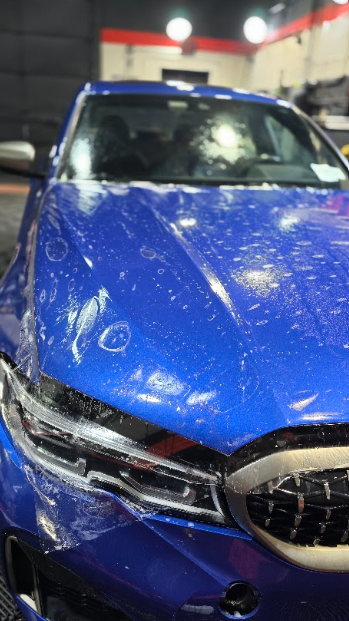
Visible edge lifting, persistent staining that doesn’t resolve with normal washing, bubbling beneath the film’s surface, or any area where the film’s clarity seems to have changed noticeably are all reasonable signs that professional inspection makes sense rather than waiting for a scheduled maintenance visit. Catching these issues earlier tends to make any necessary correction simpler and less extensive than waiting until a problem has progressed further and potentially affected a larger area of the installation.
When Professional Maintenance Makes Sense
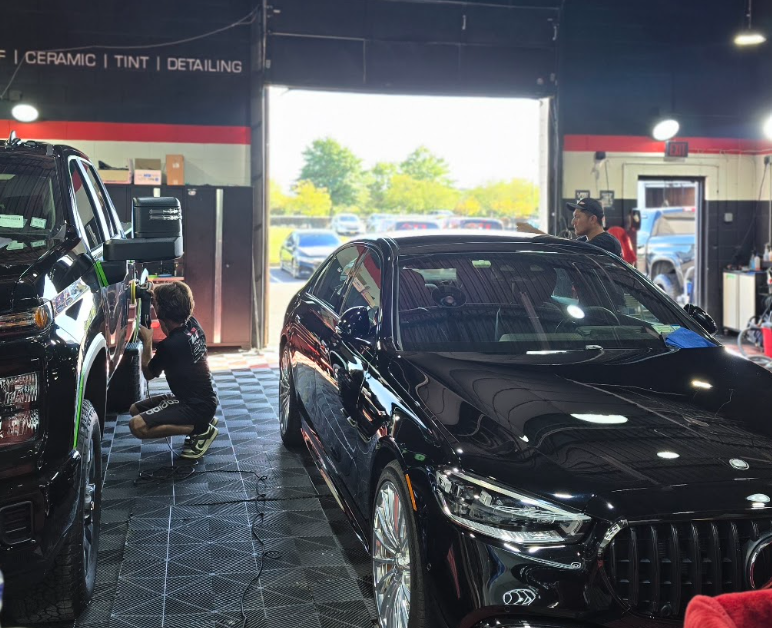
Beyond addressing visible issues, periodic professional inspection — even without an obvious problem — helps catch early signs of wear before they become more significant, and pairing PPF ownership with regular professional detailing helps maintain both the film and the vehicle’s overall appearance together rather than treating them as entirely separate maintenance tracks requiring separate attention and separate appointments.
A Brief Note on PPF vs. Ceramic Coating in Ownership
It’s worth remembering that PPF and ceramic coating serve different roles even during ongoing ownership — PPF provides physical impact protection specifically on the panels it covers, while coating (if also applied) affects surface behavior and easier cleaning across a broader area of the vehicle. Caring for a vehicle with both means genuinely understanding that each requires slightly different attention over time, though the core principles of gentle washing and prompt contamination removal apply equally to both surfaces.
For the coverage-selection question this article leaves unaddressed—and to see whether PPF actually prevents scratches in the first place—see Does PPF Prevent Scratches?
FAQs
Can you use an automatic car wash with PPF? It depends on the wash type. Soft-cloth systems carry less risk than brush systems, and touchless washes avoid physical contact but may use stronger chemicals. Hand washing remains the most consistently safe option.
How do you remove bugs and tar from PPF? Address contamination promptly rather than letting it sit, since both bug residue and tar can be chemically aggressive if left on the surface for extended periods.
Does self-healing film mean I don’t need to be careful when washing? No. Self-healing addresses minor surface marring specifically — it doesn’t protect against edge lifting, contamination staining, or damage from improper washing technique.
Is pressure washing safe for PPF? Generally yes at reasonable distance and pressure, but avoid direct, close-range spraying at film edges and seams, which carries some risk of lifting an edge.
How does winter road salt affect PPF? Salt residue left for extended periods represents meaningful chemical exposure over a winter season. Regular washing during winter months, rather than waiting until spring, helps address this.
What are signs that PPF needs professional inspection? Visible edge lifting, persistent staining, bubbling beneath the surface, or noticeable changes in clarity are all reasonable signs to have the film inspected rather than waiting for a scheduled visit.
Can I use any car wax on a PPF-covered vehicle? Not necessarily — some products aren’t formulated with film compatibility in mind. A film-safe product or a direct question to your installer is more reliable than assuming any general product is appropriate.