
Not every new vehicle needs full-body PPF on day one, and treating full coverage as the only “real” option can mean overspending on protection a specific vehicle and driving pattern may not actually need. The right coverage level depends on how you actually drive — highway commuting, daily exposure to road debris, and how long you plan to keep the vehicle all affect which panels genuinely need protection first. LI Car Guys offers five real, distinct SunTek Ultra coverage levels, from Basic Coverage up to Full Coverage, and genuinely understanding what each one actually includes is the fastest way to figure out which one fits your specific situation rather than defaulting to whichever tier sounds most comprehensive on paper.
The Real SunTek Ultra Coverage Options
LI Car Guys’ PPF service page confirms five distinct real coverage packages, each built around SunTek Ultra film rather than a generic or unnamed product:
| Package | Real Confirmed Coverage |
|---|---|
| Basic Coverage | Front bumper, headlights |
| Partial Front | Front bumper, headlights, partial hood, partial fenders, side mirrors |
| Full Front | Front bumper, headlights, full hood, full fenders, side mirrors |
| Track Pack | Bumper + headlights, full hood & fenders, pillars & side mirrors, rocker panels & partial roof |
| Full Coverage | All exterior painted surfaces |
Each package is installed at the Holbrook shop and includes full wash prep, mechanical and chemical decontamination, and an IPA wipe-down before film application to ensure proper adhesion. LI Car Guys’ own page is explicit that final pricing depends on vehicle size and shape — no fixed dollar figure is published for any of the five packages, and none is invented here regardless of how tempting it might be to estimate one for comparison purposes.
Why the Front End Comes First for Most Drivers
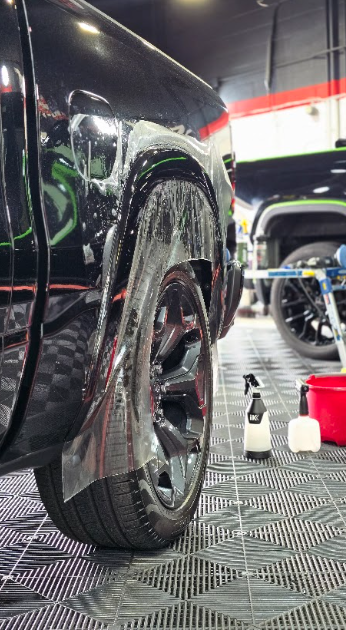
The front bumper and headlights take the single most direct hit from road debris during normal highway driving — small rocks, sand, and general debris kicked up by vehicles ahead land on the front-facing surfaces far more than anywhere else on the vehicle, simply due to basic physics and how vehicles are positioned relative to each other in traffic. This is exactly why Basic Coverage starts there: it’s the highest-exposure, highest-value area for a driver who wants meaningful protection without committing to a larger investment right away. For many owners, this single entry-level tier genuinely addresses the majority of their actual real-world concern about rock chips and road debris damage on a daily basis.
When Partial or Full Front Makes More Sense
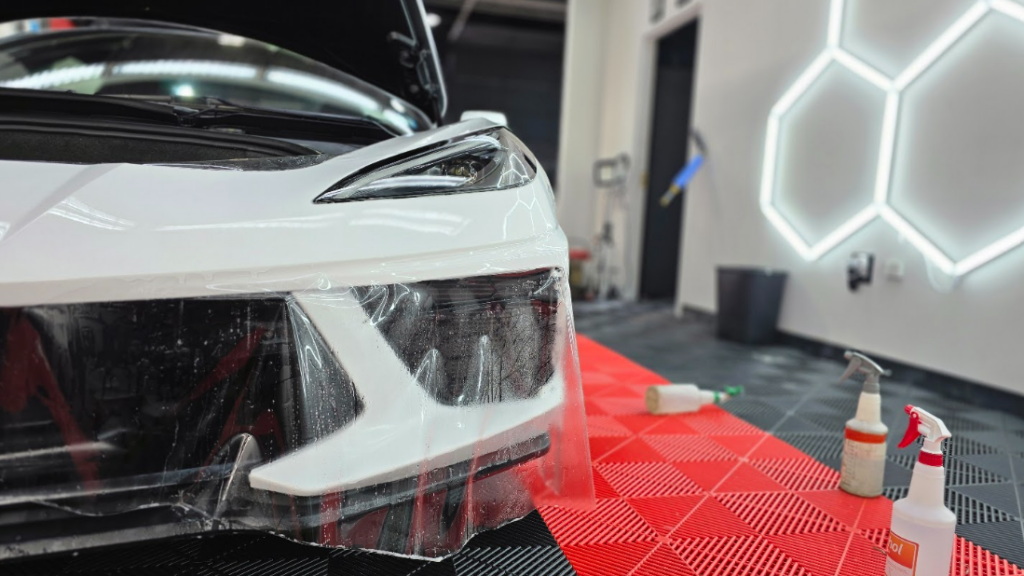
A driver who does substantial highway commuting, or who’s particularly concerned about the hood and fenders showing chip damage over time, is a reasonable candidate for Partial Front or Full Front coverage. The practical difference between these two tiers comes down to how much of the hood and fenders get covered — Partial Front leaves portions of each panel unprotected, while Full Front extends coverage across the entire hood and fender surface from edge to edge. For an owner who wants a cleaner, more complete look with no visible film edge partway across a panel, Full Front tends to be the more satisfying choice, even though it represents a larger investment than Partial Front.
There’s also a practical consideration around how a partial-coverage film edge ages over time. A film edge positioned partway across a hood or fender is more visible up close than one tucked at a natural panel break, which is part of why some owners choose to spend more upfront on Full Front specifically to avoid that visible transition line altogether. Whether this matters to you personally is a genuinely subjective call — plenty of owners are entirely satisfied with Partial Front’s less complete but still meaningfully protective coverage.
What the Track Pack Adds
The Track Pack option extends protection well beyond the front end — adding the pillars, side mirrors, rocker panels, and partial roof coverage to the bumper, headlights, hood, and fenders already covered by Full Front. This tier makes the most sense for an owner who does a genuinely significant amount of highway driving, particularly at higher speeds where debris can strike a wider range of panels than just the front-facing surfaces, or for an owner who simply wants more comprehensive protection without committing to the full vehicle’s entire exterior.
The name itself is a reasonable hint at the intended use case — an owner who tracks their vehicle, drives frequently at sustained highway speeds, or otherwise experiences more debris exposure across a wider portion of the vehicle than a typical commuter would benefit most from this expanded coverage area. Rocker panels specifically see real, direct exposure from tire spray and road debris kicked up from directly below the vehicle, which is a genuinely different exposure pattern than the front-facing impact the Basic through Full Front tiers primarily address.
Full Coverage: When It’s Worth Considering
Full Coverage extends SunTek Ultra across all exterior painted surfaces on the vehicle. This is the right fit for an owner who wants comprehensive, long-term protection and plans to keep the vehicle for many years — the kind of ownership horizon where protecting every panel from the accumulated effects of years of driving, parking, and incidental contact genuinely pays off over the full time you’ll own the vehicle. It’s also a reasonable choice for an owner who simply doesn’t want to think about coverage gaps at all and would rather have the entire vehicle protected uniformly from day one, without having to weigh which specific panels matter most to their own driving pattern.
This tier also tends to genuinely appeal to owners of vehicles they consider especially special — a performance car, a limited-production model, or simply a vehicle the owner has an emotional attachment to preserving in as close to original condition as realistically possible. For a daily commuter vehicle without that same emotional weight attached, one of the more targeted coverage tiers may deliver most of the practical value at a meaningfully lower overall cost.
A Practical Decision Framework
| Ownership Situation | Reasonable Coverage Starting Point | Why |
|---|---|---|
| Primarily local, low-highway driving | Basic Coverage | Front-facing surfaces see the most exposure even in local driving |
| Regular highway commuting | Partial Front or Full Front | Additional hood/fender exposure justifies broader coverage |
| Frequent high-speed highway driving | Track Pack | Covers a wider range of panels exposed at higher speeds |
| Long-term ownership, wants comprehensive protection | Full Coverage | Protects every panel uniformly for the full ownership period |
| New vehicle owner uncertain about driving patterns | Basic or Partial Front, upgradeable later if needed | Lower initial commitment while assessing actual usage patterns |
These are reasonable starting points based on genuinely common ownership patterns, not a rigid formula — your own specific priorities, budget, and how emotionally attached you are to preserving the vehicle’s original finish should all factor into the final decision as much as this framework does. Two owners with functionally identical driving patterns might reasonably choose entirely different coverage levels based purely on how much each one personally values comprehensive protection versus targeted, cost-conscious coverage.
What Real Film Performance Means for This Decision
SunTek Ultra’s real, stated specifications include a 10-year outdoor lifespan, an 8-mil thickness, and a self-healing top layer designed to address minor surface scratches and swirls that occur after installation, typically through gentle heat application that allows the film to return to its original smooth state. The manufacturer warranty is stated as up to 10 years. These specifications apply the same way regardless of which coverage package you choose — the film performs identically whether it’s covering just the front bumper or the entire vehicle; the coverage decision is genuinely about which panels get that protection, not a tradeoff in the film’s underlying performance characteristics.
Long Island Driving Conditions Worth Factoring In
Long Island’s road network includes a genuinely significant amount of highway driving for most residents, along with real seasonal road-debris exposure that varies with construction activity, winter road treatment, and general traffic density across Suffolk County. None of this changes the fundamental coverage-selection logic above, but it’s worth acknowledging that a Long Island commuter doing regular highway miles on roads like the LIE or Sunrise Highway is genuinely a different exposure profile than a driver who mostly sticks to local roads within a single town. This is exactly the kind of real, verifiable local factor worth weighing when choosing between coverage tiers, rather than treating every Long Island driver as facing identical exposure regardless of their actual commute.
Addressing Existing Paint Defects Before Installation
If a vehicle already has visible paint defects — swirl marks, light scratches, or other imperfections — it’s worth evaluating paint correction before PPF installation, since film applied over existing defects will preserve their visibility underneath the film rather than resolve them in any way. This matters less for a genuinely new vehicle with minimal wear, but is a real consideration for any vehicle with some ownership history before PPF gets applied, or even a technically new vehicle that arrived with delivery-related surface marring from transport or dealership handling.
It’s worth noting this isn’t the same conversation as the ceramic-coating correction question covered elsewhere in this content series — PPF is a physical film rather than a transparent coating, so the visual impact of installing over existing defects works somewhat differently, though the underlying principle (address what you can see before committing to a long-term protective layer) applies in both cases.
Combining PPF with Ceramic Coating
Some owners choose to apply ceramic coating over installed PPF for easier long-term maintenance across the whole vehicle, combining film’s physical impact protection with coating’s easier-cleaning and gloss-enhancing benefits. This is a genuinely common combination rather than an either-or decision, since the two products address entirely different needs — physical protection versus surface behavior — and can reasonably coexist on the same vehicle. This is a separate consideration from the coverage-selection question this article focuses on, though it’s worth knowing upfront if you’re weighing a combined approach from the start rather than adding coating later.
For deeper coverage on whether PPF actually prevents scratches, see does PPF prevent scratches?, and for the fuller picture of PPF’s general benefits, see clear bra paint protection film benefits. Once installed, proper long-term care matters just as much as the initial coverage decision — that’s covered separately in this same content series.
FAQs
What’s the difference between Basic Coverage and Partial Front PPF? Basic Coverage protects the front bumper and headlights only. Partial Front adds portions of the hood, fenders, and side mirrors on top of that base coverage.
Do I need Full Coverage PPF on a new car? Not necessarily. Full Coverage makes the most sense for owners planning long-term ownership who want comprehensive protection from day one, but Basic, Partial Front, or Full Front are reasonable starting points for many other ownership situations.
What does the Track Pack cover that Full Front doesn’t? Track Pack adds pillars, side mirrors, rocker panels, and partial roof coverage on top of everything included in Full Front, making it a better fit for frequent highway drivers.
Does PPF need to be installed on a genuinely new vehicle? PPF can be installed at any point in ownership, but installing it early — before road debris and general wear accumulate — protects the paint’s original condition rather than an already-worn surface.
Does PPF prevent all rock chips? PPF significantly reduces the risk of rock chip damage on protected panels, though it doesn’t eliminate every possible impact. Coverage only protects the specific panels it’s applied to.
Should paint correction happen before PPF installation? Generally, yes, if visible defects exist. Film applied over existing imperfections will preserve their visibility underneath the film rather than resolve them.
Can I upgrade my PPF coverage later? This depends on installation specifics and is worth discussing directly with your installer, since expanding coverage later may involve different considerations than installing full coverage from the start.